The mission of the Eagles Autism Foundation is to support the highest quality and most impactful autism research and care to improve the lives of affected individuals and families now, as well as foster the acquisition of knowledge, technologies, and discoveries that will bring new opportunities in the future. While we remain steadfast in our commitment to fund the most innovative research, we also recognize the immediate need to serve individuals through the community grant program. See below for updates regarding our 2025 funding process and stay tuned for 2026 funding opportunities!
Our Impact 2025
2025 Panelists
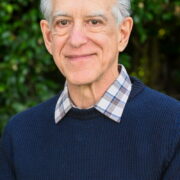
Dr. Emanuel DiCicco-Bloom
Rutgers Robert Wood Johnson Medical School
Professor, Department of Neuroscience and Cell Biology, Chair of the NIH Developmental Brain Disorders study section, member of the Society for Neuroscience Audit Committee, serves on Autism Science Foundation and the American Brain Coalition panels
Dr. Emanuel DiCicco-Bloom completed his MD at Cornell University Medical College. Dr. DiCicco-Bloom works as a pediatric neurologist, along with acting as the Eagles Autism Foundation Scientific Advisory, Chair of Review Panel. His research interests include gene growth and gene factor regulation of neurogenesis during mammalian brain development, with a focus on models of human neurodevelopmental disorders, including autism, schizophrenia, and environmental teratogens. One direction of research explores the roles of extracellular growth factors, such as IGF1, bFGF and PACAP, in regulating proliferation of neural precursors in cerebral cortex, hippocampus and cerebellum, working via cell cycle machinery, especially cyclin-dependent kinase inhibitors. Another area of interest examines the effects of environmental teratogens, including methylmercury and neurotherapeutic valproic acid, on neural stem cell proliferation in prenatal cortex and postnatal hippocampus, defining effects on proliferation and programmed cell death, as well as neurogenesis and behavioral consequences. Finally, he is defining the roles of the autism-associated gene, Engrailed 2, in development of cerebellum and hindbrain, as well as secondary effects on forebrain structure and functions. These studies are performed in neural stem cell cultures, and in embryonic and postnatal rodent brains, altering growth factors, genes, and microRNAs by using knock out technology, gene over/under expression methods (transfection, in utero electroporation) and pharmacological approaches with subsequent analyses of mRNAs, proteins, cell and tissue morphology and animal behaviors.
Dr. Anita Bhattacharyya
University of Wisconsin-Madison
Associate Professor, Cell and Regenerative Biology

Dr. Eric Butter
Nationwide Children’s Hospital
Chief of the Division of Psychology in the Department of Pediatrics at The Ohio State University College of Medicine, Chief of the Section of Psychology at Nationwide Children’s and Director of Nationwide Children’s Hospital’s Child Development Center

Dr. Stephen Dager
University of Washington
Professor of Radiology and Adjunct Professor of Bioengineering at the University of Washington and Adjunct Professor of Radiology and Psychiatry at the University of Utah. Research Affiliate and Associate Director of the University of Washington Center on Human Development and Disability.
Dr. Silvia De Rubeis
Icahn School of Medicine at Mount Sinai
Associate Professor, Seaver Autism Center for Research and Treatment, Department of Psychiatry, Mindich Child Health and Development Institute, and Friedman Brain Institute at the Icahn School of Medicine at Mount Sinai.
Dr. Adriana Di Martino
Child Mind Institute
Research Director of the Autism Center, Senior Research Scientist at the Child Mind Institute
Dr. Paul Jenkins
University of Michigan Medical School
Pfizer Upjohn Research Professor in Molecular Pharmacology Associate Director, Heinz C. Prechter Bipolar Research Program, Associate Professor of Pharmacology, Associate Professor of Psychiatry
Dr. Kenneth Kwan
University of Michigan
Associate Professor of Human Genetics Research and Associate Professor University of Michigan Medical School
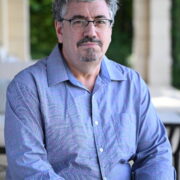
Dr. Eric Levine
University of Connecticut School of Medicine
Professor of Neuroscience Co-Associate Director, Neuroscience Area of Concentration-Biomedical Science Ph.D. program

Dr. Matthew Maenner
Centers for Disease Control and Prevention
Chief, Child Development and Disability Branch, Division of Human Development and Disability, National Center on Birth Defects and Developmental Disabilities, Centers for Disease Control and Prevention

Dr. Chiara Manzini
Rutgers Robert Wood Johnson Medical School and The Child Health Institute of New Jersey
Associate Professor of the Department of Neuroscience and Cell Biology
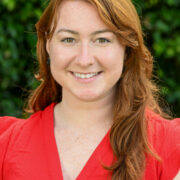
Dr. Courtney McDermott
Rutgers University
She received her PhD in 2024 in the DiCicco-Bloom Lab at Rutgers Robert Wood Johnson Medical School, where she investigated the gut microbiome-brain axis in the autism-associated 16p11.2 mouse model. She has served as the Scribe for the Eagles Autism Foundation Scientific Review Panel since 2019.
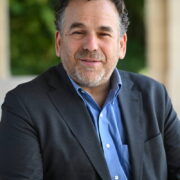
Dr. Eric Morrow
Brown University
Mencoff Family Professor of Biology, Professor of Brain Science, Professor of Neuroscience, Professor of Psychiatry and Human Behavior

Dr. Tomasz Nowakowski
University of California San Francisco
Associate Professor, Neurological Surgery School of Medicine University of California, San Francisco

Dr. Damon Page
Seattle Children’s Research Institute & University of Washington
Principal Investigator Norcliffe Foundation Center for Integrative Brain Research at Seattle Children’s, Professor Department of Pediatrics University of Washington

Dr. Ernest Pedapti
Cincinnati Children’s Medical Center
Associate Professor, University of Cincinnati Department of Psychiatry and Behavioral Neuroscience

Dr. Benjamin Philpot
University of North Carolina
Kenan Distinguished Professor, Associate Director of the University of North Carolina Neuroscience Center

Dr. Tim Roberts
Children’s Hospital of Philadelphia
Professor of Radiology at the University of Pennsylvania/Children’s Hospital of Philadelphia, Vice-chair of Research for the Department of Radiology and the Oberkircher Family Endowed Chair in Pediatric Radiology at Children’s Hospital of Philadelphia.

Dr. Celine Saulnier
Neurodevelopmental Assessment and Consulting Services
Licensed Clinical Psychologist, Founder & Owner at Neurodevelopmental Assessment and Consulting Service

Dr. Jason Stein
University of North Carolina at Chapel Hill
Associate Professor, Genetics University of North Carolina Neuroscience Research Center
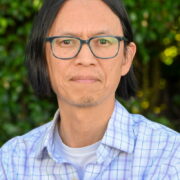
Dr. Peter Tsai
UT Southwestern Medical Center
Associate Professor, Director of the Cerebellar Neurodevelopmental Disorders Clinic at Children’s Health

Dr. Sara Jane Webb
Seattle Children’s Research Institute
Professor, Psychiatry and Behavioral Sciences Seattle Children’s, Associate Director Eunice Kennedy Shriver Intellectual and Developmental Disabilities Research Centers University of Washington

Dr. John Welsh
University of Washington and Seattle Children’s Research Institute
Pediatric Neuroscientist, Professor of Neurology Seattle Children’s

Dr. Lonnie Zwaigenbaum
University of Alberta, Canada
Professor in the Department of Pediatrics University of Alberta, Associate Director of the Women and Children’s Health Research Institute
Eagles Autism Funded Projects
Primary Investigator: Jessica Schwartzman
Pilot Project: Expanding biomarker research to understand depression and anxiety risk in autistic youth with intellectual disability
Primary Investigator: Marie Schaer
Pilot Project: Digital Phenotyping to Quantify Change Associated with Early Intervention in Preschoolers with Autism

Primary Investigator: Jean-Paul G Noel
Pilot Project: Explicit temporal causal inference in mouse models of Autism
Primary Investigator: Alan H Gerber
Pilot Project: Scaling Up Single-Session Interventions for Depression in Autistic Youth: A Randomized Controlled Trial
Primary Investigator: Emily Osterweil
Pilot Project: A novel platform to assess the pathobiology of autism in human cortex

Primary Investigator: Matthew C. Judson
Pilot Project: Circuit-Guided Restoration of Sensorimotor Integration in Autism Mouse Models

Primary Investigator: Chinfei Chen
Pilot Project: The role of ASD-linked PCDH in parallel amygdalo-thalamo-PFC circuits
Primary Investigator: Kelly Schieltz
Pilot Project: Behavioral Support via Telehealth Synchronous v Asynchronous
Primary Investigator: Howard Sirotkin
Pilot Project: Towards personalized treatments for ASD
Primary Investigator: Ryan Thomas Ash MD, PhD
Pilot Project: Rebalancing synaptic stability and plasticity in neurodevelopmental disorders with transcranial focused ultrasound-targeted biopharmaceuticals

Primary Investigator: Nancy Raitano Lee, PhD
Pilot Project: Visualizing Executive Systems Through fNIRS Assessment in Autism with Intellectual Disability
Primary Investigator: Lucas Cheadle, PhD
Pilot Project: Dissecting the roles of maternal:fetal antigenicity and placental endocrine function in an inflammatory mouse model of autism
Primary Investigator: Nan Yang
Pilot Project: Dissecting Mutation-Specific Mechanisms in ADNP Syndrome Through Human Neural Models
Post Doctoral Fellowships
Primary Investigator: Meghan Carey
Post Doctoral Fellowship: Estimating the Effects of Community-Based Interventions on Hospitalization Risk in Autism
Primary Investigator: Naga Venkata Sai Raviteja Chappa
Post Doctoral Fellowship: Measuring Severity of Gait Dysfunction in Autism and other Severe Neurodevelopmental Disorders
Primary Investigator: Vishi Sharma
Post Doctoral Fellowship: Towards better understanding and treating Lamb-Shaffer syndrome
Primary Investigator: Joanna Medina
Post Doctoral Fellowship: Bridging pre-clinical and clinical studies of autism via translational biomarker development
Translational/Interdisciplinary Awards
Primary Investigator: Dr. Xinyu Zhao and Dr. Shaoqin Gong
Interdisciplinary Grant: Developing CRISPR-based gene correction for treating autism.

Primary Investigator: Dr. Muhammad G Saleh and Dr. Emily Kuschner
Interdisciplinary Grant: Neurochemical and cognitive profiling of obesity in autistic youths
Stanford University
Primary Investigator: Dr. Yu Zhang and Dr. John Hegarty
Interdisciplinary Grant: Multimodal-informed Translatable Dimensions and Biotypes to Decode ASD Heterogeneity
Community Grant Recipients 2025

A Step Up Academy
A Step Up Academy (ASUA) offers a robust transition program—including vocational assessment, school-based enterprises, and community-based instruction. Theyu noted a key gap remains: a public-facing work environment that allows students to practice authentic job skills within a structured, supportive setting. A Step Up Academy (ASUA) will launch The Step Up Exchange, a student-run thrift store designed to expand vocational training opportunities for transition-aged autistic students. The Step Up Exchange will fill this gap by transforming a leased commercial storefront into a supervised, student-operated enterprise. Students will engage in real work tasks such as accepting and processing donations, inventory management, pricing, customer interaction, and basic marketing, while receiving individualized supports aligned with their IEP goals. The program will serve approximately 42 transition-aged students annually, with indirect benefits to ASUA’s broader student population and the surrounding community. By providing a safe bridge between school-based learning and employment.
Common Space
Carousel Connection provides tailored services that help adults with disabilities navigate life’s challenges with confidence. Their services include job training, career development, and social and life skills coaching. They foster an environment of inclusivity, dignity, and empowerment, helping adults of all abilities lead fulfilling, independent lives. Carousel Connections partners with Common Space, a community-focused hub offering activities, workshops, and social connection for people of all ages, races, abilities, ethnicities, and economic backgrounds. Together funding from the Eagles Autism Foundation will support Common Space in creating a four-tiered Autistic-specific resource to support Autistic Adults with bodies, sex, and sexuality. This project translates research into practical supports, empowering autistic adults to build safe, connected, reciprocal, and self-directed sexual relationships with themselves and others.
CASA Youth Advocates
CASA Youth Advocates serves neglected and abused children who have been legally determined to be dependent in Delaware and Chester Counties. CASA’s children face significant challenges as they navigate the foster care system, including unique emotional, psychological, educational, and legal needs. Children with Autism Spectrum Disorder (ASD) are disproportionally represented in foster care, are more likely than their peers to require specialized education services, and are less likely to receive the appropriate support they need. Many children with ASD enter dependency court requiring professional diagnostic assessments and specialized educational support.
CASA’s Volunteer Advocates provide personalized support to dependent children with autism, helping them access critical services. In some cases, Advocates may serve as Educational Decision Makers for autistic youth, appointed by the court to provide balanced, child-centered advocacy across a wife range of educational needs.
Funding from the Eagles Autism Foundation will support CASA in several key ways: developing an ASD training module for child welfare professionals – including CASA volunteers and staff, social workers, court-appointed guardians, and staff at partner nonprofits; designing and producing training materials to share with members of CASA’s Voices for Children child welfare coalition and the Pennsylvania CASA network. Additionally the project will support the ASD-related needs of CASA’s clients through the CASA Cares fund, which provides essential sensory items and resources and help cover ancillary costs associated with Volunteer Advocate support for children with ASD.
City of Philadelphia
This grant will maintain Philadelphia’s commitment to being a sensory-inclusive city. City workers will be more equipped to promote accessibility and provide resources in their respective areas. This was first supported in 2024, by continuing this program, it will allow the Office for People with Disabilities to ensure that community engagements are inclusive across departments to better serve those with and without disabilities.
Coffee Closet with Barista Jake
Jakes Baristas is the nonprofit organization behind Coffee Closet with Barista Jake. Their goal is to create inclusive, meaningful opportunities for individuals with autism. They run a nonprofit coffee shop and mobile cart that are operated by and for neurodivergent individuals, where participants gain real work experience, learn job and life skills, and connect with their community in a supportive, dignified environment. Funding from the Eagles Autism Foundation will expand their Empowerment in Action Program, which offers work experiences, social-emotional learning workshops, and community service projects that foster independence and purpose. This grant will directly impact individuals with ASD, while strengthening their broader mission to shift perceptions and create a workforce that values every ability.
Comprehensive Learning Center
CLC’s Individualized Instructional Materials address a critical gap in autism education by providing instructional resources that are individualized, structured, and adaptable to meet the needs of students with autism spectrum disorder (ASD). Students with significant communication, cognitive, sensory, and behavioral challenges often receive instruction through materials that do not align with how they learn. Grounded in Applied Behavior Analysis and refined for over 25 years, CLC provides customized visual schedules, step-by-step visual task guides, Picture Exchange Communication System (PECS) and hands-on tools aligned to each student’s goals. Funding will support the material needed to cintinue this program.

Devereux Advanced Behavioral Health
Devereux Pennsylvania Adult Services provides vital supports to adults with autism and other developmental disabilities, helping them build independence, self-esteem, and meaningful community connections. At the heart of this work is The Shops at Devereux, a collection of small businesses in Devon, PA, where individuals learn marketable skills, earn wages, and gain confidence through real-world employment. Among these enterprises, the Auto Shop stands out as a dynamic vocational training site where participants, under the guidance of a licensed ASE Master Technician, perform vehicle inspections, maintenance, and repairs for both the Devereux fleet and the public.
The Eagles Autism Foundation grant will enhance the Auto Shop with critical safety gear, adaptive training kits, and professional-grade automotive tools. These resources will ensure safety, provide inclusive training opportunities, and expand service capacity with modern diagnostic and HVAC repair equipment. Individuals will directly benefit by gaining technical skills, customer service experience, and pathways to competitive employment. By investing in the Auto Shop, the Eagles Autism Foundation will help drive brighter futures for adults with autism.
Elwyn Foundation
Elwyn’s Early Learning Services (ELS) program is Pennsylvania’s largest provider of early intervention and preschool services, supporting more than 10,000 children ages three to five across Philadelphia and Chester City. Many ELS students come from low-income, multilingual households, and a significant number have autism or developmental disabilities. While ELS provides interpreter support for scheduled meetings, in-person translation is often unavailable during the many brief yet critical day-to-day interactions between families and staff.
To address this need, funding from the Eagles Autism Foundation will support the purchase of Translator Earbud units. These real-time, two-way translation devices enable natural communication in more than 40 languages, with or without internet access. By improving everyday communication between teachers, therapists, and families, the devices will strengthen trust and consistency between home and school, increase caregiver engagement, and support children’s social and academic development. This project will expand the reach of ELS’s language access services, ensuring that no critical moment of connection is lost and that children with ASD and other developmental disabilities from non-English speaking families have equitable access to learning and growth.

KIPP Philadelphia Preparatory Academy
KIPP Philadelphia Preparatory Academy (KKPA) is committed to developing the character, knowledge, and skills students need to succeed in top-quality high schools, colleges, and the competitive world beyond. KIPP Philadelphia Schools upholds a strong commitment to equity and the equal treatment of all individuals.
Funding from the Eagles Autism Foundation will support KIPP Philadelphia Preparatory Academy Middle School in transforming an existing classroom into a fully accessible, neurodiversity-affirming music and media studio. This innovative space will offer students – particularly those with autism and other diverse learning needs – a creative, sensory-regulated environment to explore music production, live instruments, and videography, fostering self-expression, engagement, and inclusion.

Melmark, Inc.
Melmark is a multi-state human service provider offering premier private special education schools, professional development, training, and applied research centers. The organization is committed to enhancing the lives of individuals within diverse communities with autism, intellectual and developmental disabilities (IDD), and their families by providing exceptional, evidence-based services grounded in Applied Behavior Analysis (ABA) to every individual, every day.
Funding from the Eagles Autism Foundation will expand opportunities for individual engagement and life skills development through experiential learning at Ohana Farm. This initiative will create a living-learning environment that serves as the next step in the learning journey for Melmark students and adults with IDD and autism spectrum disorder (ASD). By integrating hands-on agricultural activities with ABA-informed instruction, this program will support the development of communication, sensory, and motor skills for individuals with autism and intellectual/developmental disabilities.
Neurodiversity Employment Network
Neurodiversity Employment Network’s (NEN) mission is to connect job seekers, employers, educators, and service providers to enable neurodivergent individuals to gain meaningful employment. The Neuroinclusive Action Hub advances NENPHL’s growing suite of resources by bringing together the Video Testimonial Library and Ecosystem Mapping Tool into a single, guided pathway for employers and autistic job seekers. The Hub clearly outlines who to connect with, why those connections matter, and what steps to take next through practical micro -actions that lead to clearer job postings, more predictable onboarding, and warm introductions. As a regional catalyst and trusted messenger, NENPHL curates these actions, directs users to appropriate partners, and centers autistic voices to ensure suitable, lasting change.
Built on NENPHL’s Engage, Explore, Evolve framework, the Neuroinclusive Action Hub features at least ten action tiles within each category. Engage introduces key concepts and lived experiences, while prompting a small, accessible first step, such as viewing a testimonial and identifying key takeaways. Explore encourages internal reflection and low risk experimentation, such as reviewing interview communications for clarity and offering alternative formats. Funding from EAF will support Evolve, Evolve will supports the full implementation and measurable change, including piloting skills-first interview processes in partnership with mapped ecosystem partners. Each action tile clearly identifies the stage and intended audience, explains its relevance, and links users to supporting resources, including the Ecosystem Mapping Tool, Video Testimonial Library, event listings, templates, and mapped partners. Together, these elements create a dynamic, digitally integrated pathway that supports daily practice change and grows a regional network committed to sustaining inclusive employment across Greater Philadelphia.
No Limits Cafe
No Limits Cafe is a non profit restaurant that employs adults with intellectual disabilities. The cafe’s mission is to empower their participants by providing meaningful jobs and hands-on training, helping them lead fulfilling lives in the community while raising awareness of their potential.
The Eagles Autism Foundation grant will support the Suzanne Hatfield Training Program, a paid, 10-week job training initiative for adults with intellectual disabilities, including those on the autism spectrum. The program teaches essential life skills in food preparation, dishwashing, bussing, cleaning, and customer service, while also focusing on soft skills such as communication, teamwork, and professionalism. Unlike most training programs that require participants to pay, they compensate their trainees to affirm their value and provide an immersive, empowering experience.
Offered four times per year, the program services individuals annually in small groups to ensure personalized instruction and support.

Penn State Health
The Penn State Mental Health Simulation Training is a collaborative initiative led by Penn State Health, the Penn State Department of Psychiatry and Behavioral Health, Penn State Nursing, the Pennsylvania Psychiatric Institute, and the Pennsylvania State Police. The program addresses critical gaps in crisis response across Pennsylvania by providing State Police cadets and community members with a safe, structured environment to practice de-escalation techniques for individuals experiencing mental health crises.
Guided by Penn State psychiatrists and nurses, participants navigate diverse simulation scenarios, with a special emphasis on autism and best practices for engaging both verbal and non-verbal individuals. Trained actors will portray people in crisis, allowing participants to role-play while observers will offer structured feedback on communication strategies, officer protocols, and scene safety. Mental health and law enforcement experts will be present to provide additional guidance, and cadets will complete post-simulation surveys to reinforce learning and assess understanding. EAF Funding will support the advancement of this training initative.

Philadelphia Orchestra
The Eagles Autism Foundation grant will support presenting The Young Person’s Guide to the Orchestra, a sensory-friendly in-person performance from their Family Discovery Series. The concert will take place on Saturday, March 14, 2026 and welcomes neurodiverse music lovers of all ages to Marian Anderson Hall. The Family Discovery Series showcases activities and experiences that are fun for the whole family, and their sensory-friendly performances maintain a judgement-free zone for neurodiverse audience members to express themselves as needed while supporting any sensory-sensitivities.
The Young Persoa’s Guide to the Orchestra by Benjamin Britten is a wonderful way to explore the amazing sounds of an orchestra. With cheerful melodies, exciting rhythms, and a musical magic, this piece introduces each section of the orchestra’s strings, woodwinds, brass, and percussion. Britten wrote this piece to help young listeners discover the joy of music and it continues to deliver.

Philadelphia Zoo
The Eagles Autism Foundation grant will support a sensory-inclusive initiative serving autistic and neurodivergent guests. Aiding in the Zoo’s Sensory Inclusive Training, this project expands on the Zoo’s Sensory Inclusive Certification and supports its strategic goal to improve access for underserved communities.

Potential Inc.
Thrive360: Life Skills for Health, Home & Beyond is an independent living and wellness program designed to empower youth with autism to develop essential skills for greater independence, confidence, and long-term health. Delivered in immersive, hands-on environments – including a model apartment, a medical wellness area, and a teaching “”FUNdamental Kitchen” – the program provides practical instruction in cooking, independent living skills, personal care, time management, physical wellness, and medical self-advocacy. Each session incorporates movement and real-world routines to promote active, healthy living and enhance skill retention.
The Eagles Autism Foundation grant will support the program by providing adaptive kitchen tools, personal hygiene kits, sensory-friendly instructional materials, and furnishings for the kitchen, apartment and wellness areas. These resources will create realistic learning experiences, expand program capacity, and significantly enhance the quality and effectiveness of instruction for youth with autism.
With this support, Thrive360: Life Skills for Health, Home & Beyond will continue empowering young people with autism by giving them the tools, skills, and confidence needed to thrive in everyday life.

Raise the Bar Family Services Inc.
Raise the Bar (RTB) is a Camden-based nonprofit, dedicated to ensuring that youth with intellectual and developmental disabilities and their families have the support they need to thrive. RTB combines inclusive youth programming, caregiver support, and resource navigation to reduce isolation and strengthen family empowerment.
The Eagles Autism Foundation grant will support the launch of a new program, the Social Squad Adventures (SSA), an expansion of RTB’s existing Social Squad model. SSA empowers young adults ages 12-22 with intellectual and developmental disabilities in Camden, NJ to build independence by practicing real-world skills during community outings to local museums, restaurants, and other public spaces. Every 6-8 weeks, participants will attend a prep session focused on expectations, safety, and financial literacy, followed by a supervised outing where they practice money management, safe navigation, and social interaction skills.
Saint Joseph’s University
The Kinney Center for Autism Education and Support has a long-standing history of providing high-quality, autism-friendly recreational programs.
In 2026, the Kinney Center will launch two initiatives at Samuel Gompers Elementary School: a Recess Autism Support Program, offered three times a week in the Spring and a year-long Afterschool Autism Support Program, beginning in the Fall. These innovative, school-based programs will address the critical need for accessible, neurodivergent-affirming services for autistic students in an underserved community. Open to grades K-8, the programs will provider structured play, sports, social engagement, communication support, and homework assistance – all aligned with school-day goals.
Each program will be led by an experienced Kinney staff member, supported by a team of highly trained undergraduate SCHOLARS from SJU. Program goals include providing supportive recess and aftercare services, enhancing student engagement during and beyond the school day, reducing family stress, and developing a replicable model for future expansion.
This partnership integrates evidence-based supports into the school environment, where students already feel safe and known, closing a major service gap. Eagles Autism Foundation funding will help purchase materials and supplies, including sensory-friendly and adaptive equipment.

Shore Medical Center
By supporting this initiative, the Eagles Autism Foundation will help Shore Medical Center continue setting new standards for inclusivity and respect in healthcare, profoundly improving the experience and outcomes for neurodivergent patients in the community. Providing training, sensory equipment and a noise-free aerogren nebulizer among other necessary medical supplies to support respiratory sensory care.
Special Equestrians
Special Equestrians offers individual and group programs to serve those who are diagnosed with autism spectrum disorder (ASD). The therapeutic riding center offers a variety of services across the lifespan, including early intervention, occupational and physical therapy, therapeutic horse riding, equine-assisted learning, work and life skills training, and employment opportunities.
Research studies show that therapeutic riding benefits individuals with autism spectrum disorder in many important ways, including emotional regulation, sensory stimulation, social skills development, motor skills enhancement, cognitive engagement, emotional bonding, and a sense of accomplishment and independence. Funding from the Eagles Autism Foundation will support riders to explore program offerings.

Special Olympics Pennsylvania, Inc.
Funding from the Eagles Autism Foundation will support Special Olympics Pennsylvania (SOPA) in advancing the Cities of Inclusion (COI) initiative in Philadelphia. This program aims to create a city where individuals with disabilities can access the resources and services they need in health, employment, education, and housing.
Through EAF’s support, SOPA will renew the COI Fellowship, have support in planning the Cities of Inclusion Summit, and expand Unified Champions School (UCS) programming in Philadelphia public schools. The 2026 Summit will bring together leaders from across sectors to share best practices, set measurable inclusion goals, and drive progress in health, education, employment, and housing.
Expansion of UCS programming will give more students – with and without intellectual disabilities, including those on the autism spectrum – opportunities to compete, lead, and foster inclusive school environments. Together, these efforts increase community engagement, broaden access to inclusive sports, and promote equitable opportunities, bringing Philadelphia closer to being a city where all individuals have equal access to resources, opportunities, and a sense of belonging.
SPIN Inc.
SPIN is a 501(c)(3) non-profit organization that provides high quality services to support children and adults of all ages with autism and intellectual and developmental disabilities. SPIN’s culture is rooted in the belief that everyone has the right to achieve their best life. By discovering and developing each individual’s strengths, resources, and abilities, SPIN supports people along their journey toward a life filled with possibilities.
SPIN Community & Fitness, (SCF), is a fully accessible and welcoming space where individuals of all abilities can participate in physical, recreational, artistic, and educational activities that promote healthy and meaningful lifestyles. SCF’s mission is to eliminate barriers to inclusion while celebrating friendship, diversity, and active community engagement.
SCF features fully equipped cardio and strength-training gyms, The Comcast Digital Literacy Lab, meeting rooms, Art and Horticulture centers, civic and cultural engagement opportunities, and social skills groups for children and adolescents with autism. The Center also includes and 85-seat theater that serves as a versatile community space for learning, fitness, creative expression, and events. The theater supports inclusive community theater programs, educational sessions, organization and community meetings, classes, choir rehearsals, fitness events, film productions, move nights, and celebrations.
Funding from the Eagles Autism Foundation will support the development of a dedicated sensory room for individuals with sensory processing needs. The room will provide a calming, supportive environment where individuals can regulate their emotions through thoughtfully designed multi-sensory experiences and technology.
St. Christopher’s Hospital for Children
Funding from the Eagles Autism Foundation will support St. Christopher’s Hospital for Children in becoming a more inclusive and supportive medical environment for neurodiverse patients. Funding will allow for the purchase of sensory carts to be deployed across multiple inpatient and outpatient units, as well as the creation of designated “touchdown spaces” in outpatient areas where de-escalation tools can be stored and easily accessed when patients require additional support during their visits.
Healthcare providers will receive education on how to effectively use these tools through in-kind training support. As a part of the project, this education – combined with readily available resources – will empower providers to confidently implement sensory-based strategies and build trust with patients. Providers will also educate families on how to apply sensory de-escalation techniques outside of the healthcare settings, with the goal of promoting more positive experiences in other potentially stressful environments.
St. John of God Community Services
St. John of God Community Services is a nonprofit organization dedicated to improving the lives of individuals with special needs and creating a hospitable, welcoming environment where all people are treated with dignity, respect, and compassion. They have proudly served individuals and families since 1965. They offer multi-dimensional services that support individuals and families at every stage of life. Their programs include Adult Job Training and Day Services, Adult Therapeutic Recreation, Clinic Services, Holy Ground Coffee Ltd., and much more. In addition, they extend their care beyond their campus through their Food Pantry and Mobile Food Pantry, for individuals and families.
Funding from the Eagles Autism Foundation will support the creation of a Career Preparation Computer Lab to support individuals with intellectual and developmental disabilities, as well as other underserved populations, in achieving their vocational and educational goals. This dedicated space will provide access to adaptive technology, job readiness software, internet-enabled computers, and individualized instruction to enhance digital literacy, resume building, job searching, and virtual interview preparation. The lab will serve as a critical resource within their broader vocational training programs, helping bridge the digital divide and empower participants to reach greater levels of independence and employment readiness.
Stratford Friends School
Stratford Friends School believes that all students are capable of growth and learning, and that every student deserves a safe, supportive educational environment designed to help them thrive. This fall, Stratford Friends School welcomed its first class of 10th grade students – a meaningful milestone in the school’s history and an important step forward for neurodiverse youth in the region. Guided by their strategic plan, SFS will continue expanding its Upper School by adding one grade level each year over the next two years, ultimately establishing a full 9-12 program. With the planned addition of the 11th grade in fall 2026, funding from the Eagles Autism Foundation will help sustain and support the continued growth of the Upper School.
The Upper School program follows PA academic standards while delivering instruction at each student’s individualized learning level, with appropriate accommodations to support academic success. The program emphasizes helping students become confident, independent learners and engaged members of their communities.
Through a Stratford Friends School education, students are supported in developing critical thinking skills needed for independent living beyond high school, gaining a deeper understanding of their personal strengths and learning styles, and fostering an appreciation for diversity that helps them build strong, lasting relationships beyond graduation.
TGR Learning LAB
The TGR Learning Lab in Philadelphia providers hands-on STEAM education, career exploration opportunities, and wellness supports that empower students to pursue their interests and future goals. Located at Cobbs Creek, the Lab serves a diverse population of young people, many from historically underserved communities, and is designed to be a welcoming space where all students can thrive.
Funding from the Eagles Autism Foundation will support the TGR Learning Lab in enhancing the inclusivity of its classrooms and Wellness Room to better supports students on the autism spectrum. Planned improvements include cost-effective, sensory-friendly modifications such as flexible seating, rugs, visual signage, adaptive furniture, and calming sensory equipment. These enhancements will reduce barriers to learning and promote comfort, focus, and meaningful participation in both academic and enrichment activities. This project will ultimately expand access for autistic students in Philadelphia while fostering an environment where all learners feel supported, included, and empowered to succeed.

The Pathway School
Founded in 1961, The Pathway School is a specialized education school that serves students ages 5 to 21 with autism spectrum disorder, ADHD, developmental and learning disabilities, and emotional regulation challenges. Pathway’s educators and clinical support professionals focus on meeting each student at their individual level, inspiring their courage as learners, and providing instruction tailored to how they learn best. Their mission emphasizes both academic achievement and practical life skills, helping students build the tools they need to thrive in their communities as children and later in life.
The Pathway School continues to address a documented regional need for clinically supported educational classrooms for younger autistic students who are nonverbal or have significant developmental delays in other critical areas. The school is now entering its third year of its Autistic Support Classroom program, which was initially supported by Eagles Autism Foundation funding during the 2023-2024 grant cycle.
Funding from the Eagles Autism Foundation will support Pathway in continuing to expand and strengthen this work by investing in updated curricula, staff training, specialized equipment, learning devices, and classroom furnishings. These resources will support students in the Autistic Support Classroom while also benefitting learnings across Pathway’s Lower School, Upper School, and Emotional Support programs, ultimately enhancing educational access and outcomes for neurodiverse students in grades K-12+.
The Timothy School
The Timothy School, the oldest nonprofit approved private school in Pennsylvania dedicated exclusively to educating students with autism, provides individualized education and therapy that fosters independence, communication, and confidence. Since 1966, the school has worked to deepen understanding of autism by recognizing each student’s unique strengths and tailoring specialized approaches that expand educational opportunities. More than a place of learning, The Timothy School is a community where students with autism discover their voices, build friendships, and prepare for greater independence.
Funding form the Eagles Autism Foundation will support the creation of a customized Occupational Therapy (OT) Sensory Room. This dedicated sensory space will provide students ages 5-21 with access to therapeutic tools that help manage sensory processing challenges, regulate emotions and develop self-calming strategies – critical skills for both academic success and everyday life.
In addition to supporting enrolled students, the sensory room will benefit the broader communities through monthly public events, play sessions, and the school’s annual Community Day. It will also be used for on-site training sessions led by Consultative Service team, helping educators, therapists, intermediate units, and partner schools learn how to effectively implement sensory supports. Through this expansion, the Timothy School aims to create a space that fosters growth, inclusion, and share learning both within and throughout the surrounding community.
Theatre Horizon
Since Theatre Horizon’s founding in 2005, it’s Autism Drama Program (ADP) is the only arts education program of its kind in the Philadelphia region that inspires imagination, communication, and interest in personal relationships for youth and young adults on the autism spectrum. ADP classes have historically consisted of one-day workshops and Summer, Fall, and Spring sessions that meet weekly over six weeks.
After resuming in-person classes in 2022 following the pandemic, Theatre Horizon has reached more individuals in the ASD community than ever before through expanded offerings, including their Autism Drama Summer Camp and the Drama 101 Program. Building on this growth, the organization will launch its first Winter ADP Session this year, providing students the opportunity participate in Theatre Horizon’s 2026 production: XOXO, Montgomery County’s Original Variety Show.
As programming has expanded in both frequency and consistency, feedback from participants and families has highlighted a growing need for additional scholarship support to ensure financial barriers do not limit participation. Increased attendance at programming, combined with rising transpiration costs, has also underscored the need for transpiration assistance. To address this, Theatre Horizon will introduce transporation scholarships to help families access the theatre via car, rideshare, or SEPTA, supporting reliable and consistent participation.
With support from Eagles Autism Foundation, Autism Drama Program Scholarships will help recruit new students, retain current participants, enhance the overall theatre experience, and continue fostering a passion for the arts among youth and young adults on the autism spectrum.

Thomas Jefferson University
Funding from the Eagles Autism Foundation will support Jefferson’s For Adolescents and Beyond (FAB) Complex Care Center in launching a one-year nutrition and wellness program for individuals with intellectual and developmental disabilities, including autism (IDD/A), and their support networks in the greater Philadelphia region.
FAB is a primary care medical home serving adolescents and adults with complex, childhood-onset conditions, IDD/A and physical disabilities. Education on healthy eating, beverage choices, and weight management can have a significant impact on overall wellness, especially for individuals with IDD/A. Sensory differences and variations in caregiving approaches can sometimes limit access to nutritious food and physical activities, creating additional barriers to healthy living.
To address these challenges, the program will partner with the Jefferson College Of Nursing (JCN), the National Down Syndrome Society (NDSS), and Special Olympics Pennsylvania (SOPA) to offer a six-part wellness series. Topics will inclusive healthy food and beverage choices, mindfulness, cooking demonstrations, and physical activity. Sessions will be offered both in person and virtually, with rolling enrollment so participants can join at any time and select activities that best match their interests. Caregivers and direct support staff will also be encouraged to participate, learning strategus to promote healthy habits and support participants’ wellness goals. Overall, this program will promote more equitable wellness outcomes for a historically underserved community, serving long-term habits that foster a higher quality of life.
Variety The Children’s Charity of the Delaware Valley
Founded in 1935, Variety – the Children’s Charity of the Delaware Valley (Variety) is dedicated to enriching the lives of children and young adults with disabilities through social, educational, and vocational programs that foster independence, self-confidence, and prepare them for life.
Funding from the Eagles Autism Foundation will support their workforce development model, VarietyWorks, which serves young adults with disabilities, ages 14 through adulthood. Variety is widely recognized as an expert in vocational training for individuals with disabilities, offering a comprehensive continuum of services that begin at age 5 and continues into adulthood. Since 2018, the organization has focused on expanding its workforce development model from a single service to a seven-services portfolio, building partnerships with over 60 community businesses, participating in regional workforce developmental initiatives such as Montco Works Local Management Committee, and supporting hundreds of young adults as they gain independence and secure community employment.
Funding from the Eagles Autism Foundation will support the launch of two new Small Group Employment sites at Montgomery County Community College. These high-volume sites will provide young adults with disabilities real-world vocational experiences, deliver reliable, high-quality food services for students and staff, and promote awareness of Variety’s mission.
Community Initiatives
Kulture City Barefoot Country Music Fest & Kulture City Superbowl LIX
Kulture city is the leading non-profit on sensory accessibility and acceptance for those with invisible disabilities. Kulture city trains venues and provides sensory inclusive certifications. These grants were used to promote accessibility at Barefoot Country Music Fest & Superbowl LIX with sensory bags and the sensory activation vehicle for fans to be able to take a break before returning to the action.
Huddle Up – Center for Autism Research
Funding provided directly from Huddle Up for Autism event, “The Center for Autism Research (CAR) coordinates and supports research on autism spectrum disorder (ASD). CAR’s goals are to identify the underlying causes of ASD in order to develop effective treatments, and support individuals with ASD and their families by providing evidence-based resources and education.